


What Is Fluoride?
If you thought fluoride was a synthetic chemical additive to many oral care products, think again. Fluoride is a naturally occurring mineral found throughout the Earth's crust and widely found in nature. In the 1930s, the effectiveness of fluoride as a tool to fight cavities (permanently damaged areas on the hard surface of your teeth that develop into tiny openings or holes), was discovered when researchers found that children who grew up drinking naturally fluoridated water had less tooth decay when compared to people living in areas without fluoridated water.
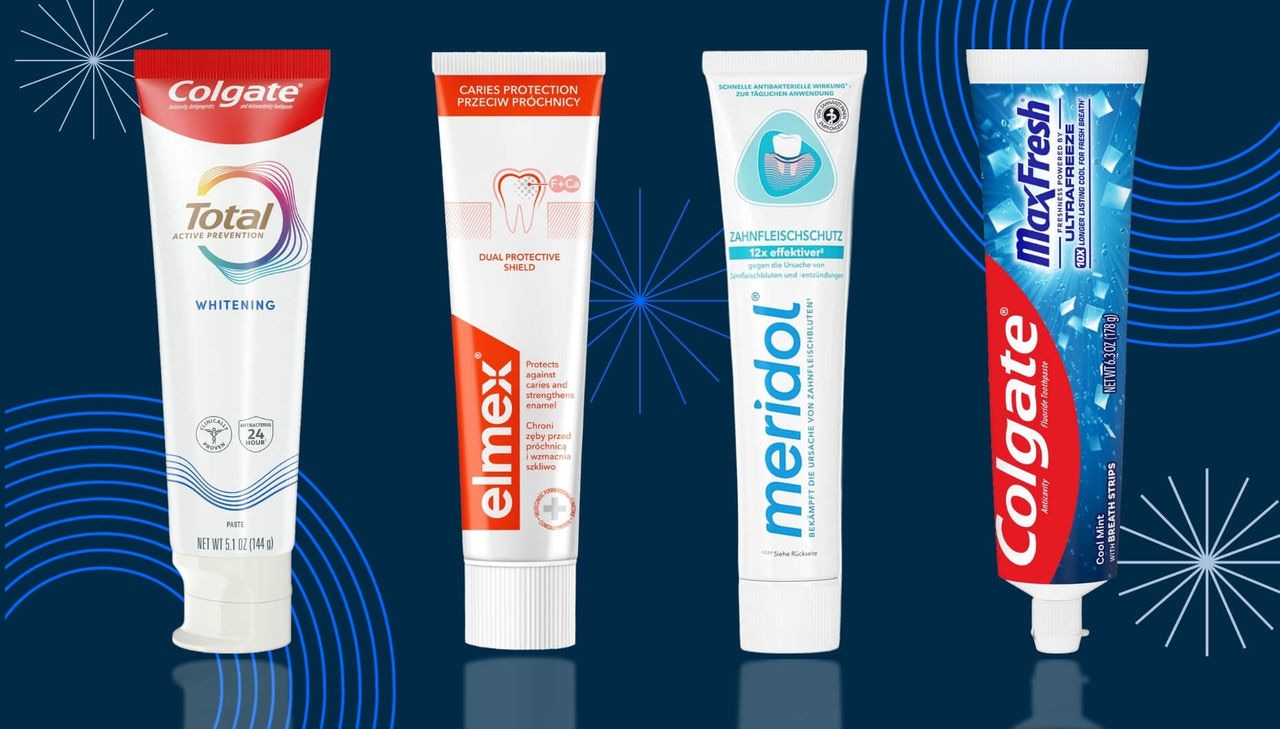
Grounded in this discovery and reaffirmed through years of research, the American Dental Association, the World Health Organization and the American Medical Association, among many other organizations, have endorsed fluoride because of its positive impact in helping to prevent tooth decay. It's even been referred to as "nature's cavity fighter" by the American Dental Association (ADA). We use fluoride in many of our products, including Colgate Total, Colgate Max Fresh, elmex and Meridol, to keep teeth strong while helping to prevent cavities and tooth decay.
How Does Fluoride Work?
During the demineralization and remineralization processes that naturally occur in your mouth, fluoride starts taking action. The demineralization process is started by the bacteria in the plaque on your teeth, which feed on sugar and other carbohydrates in the mouth and produce acidic saliva that weakens tooth enamel. Fluoride helps control and protect against the damage caused by the demineralization process, keeping teeth resilient to its negative effects. Other times, when your saliva is less acidic, fluoride helps by replenishing the calcium and phosphate ions that make the teeth harder and more protected, also known as remineralization.
What Are the Benefits of Fluoride?
At Colgate-Palmolive, we believe your oral health is the gateway to overall health. After all, oral disease is associated with increased risk of conditions such as rheumatoid arthritis, diabetes, dementia, strokes, heart attacks and more. Brushing your teeth twice a day with a fluoride-based toothpaste can help prevent cavities and other oral health problems.
How? Fluoride becomes part of the saliva and helps strengthen teeth from the outside, so acids are less able to damage tooth enamel.
When you use a toothpaste product containing fluoride, the fluoride ends up in your saliva. When your teeth are coated in that saliva, the enamel (the outermost layer of the teeth) ends up absorbing the fluoride. Once there, the fluoride bonds with the calcium and phosphate that naturally exist in your enamel to create fluorapatite, which is a strong material that can resist decay and help prevent cavities, which are the most common disease in the world.
Is Fluoride Safe?
Fluoride is safe and effective when used properly and in appropriate doses, which is why so many of our brands take advantage of its benefits.
The Centers for Disease Control and Prevention (CDC) confirms that both the safety and benefits of fluoride are well documented. Evidence consistently shows that fluoride is safe and effective in the amounts your toothpaste provides when used as directed.
It's not just the CDC that upholds the merits of fluoride, though; according to the American Dental Association (ADA), more than 125 organizations around the world also recognize its safety and value. These organizations include the ADA, the American Medical Association and the World Health Organization.
The main risk linked to fluoride overuse is dental fluorosis, a condition that kids can develop if they're exposed to excessive fluoride for an extended period of time when they're too young. That’s why it's important to follow dosing instructions and supervise them while they're brushing to ensure they're spitting along the way. You can discuss any concerns with your dental professional and they can recommend the best course of action for your child.


